In the field of electronic products where high-frequency and high-speed signal transmission is increasingly prevalent, micro coaxial cable has become the preferred connection solution for high-precision devices such as camera modules, vehicle image systems, and notebook display modules. However, engineers often encounter the problem of the cable shielding layer cracking in practical applications, which not only affects signal stability but also reduces product reliability. This article takes the I-PEX 20634-140T-02 connector as an example, analyzes the main reasons for the shielding layer cracking of micro coaxial cables during use, and provides effective protection suggestions.
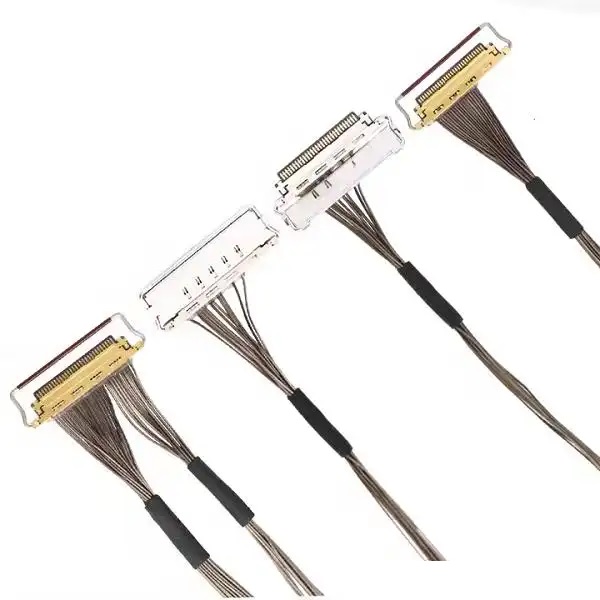
What is the I-PEX 20634-140T-02?
I-PEX 20634-140T-02 is a 0.4mm pitch, 40Pin ultra-fine pitch connector that supports high-speed differential signal transmission. This connector is widely used in high-end laptops, AR/VR devices, and industrial cameras, among other applications. When used with AWG40/42/44 grade micro coaxial cable, it can achieve high-density wiring and high-speed stable signal transmission, making it a commonly used micro-coaxial connection solution on the market.
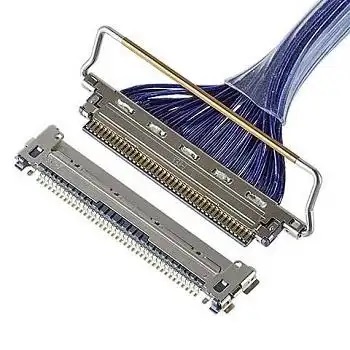
Common reasons for the cracking of the shielding layer
Excessive bending or pulling causes metal fatigue
The shielding layer of extremely thin coaxial cables (such as tin-plated copper braid) is relatively thin. If it is bent or subjected to excessive force during installation or use, the metal wire is prone to breakage, thereby causing cracking.
Improper connector welding process
During welding at the I-PEX 20634-140T-02 terminal, if the temperature control is not accurate or the crimping force is too great, it may cause indentation or microcracks on the shielding layer, and may leave hidden hazards of cracking.
Material selection mismatch
Not all micro coaxial cables are suitable for high-speed connectors. If the shielding material is fragile or lacks fatigue resistance, it is prone to breakage in vibration or temperature changes.
External force injury or insufficient assembly space
Insufficient space in harness design can lead to wire material being squeezed or clamped, accelerating the aging of the shielding layer and even causing it to rupture directly.
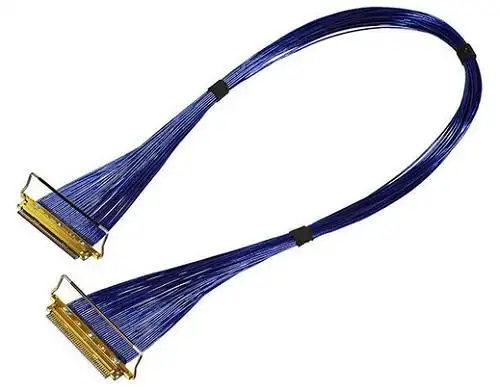
Three, protective measures for cracking of shielding layer
Select high flexibility and bend-resistant micro coaxial cable material
Optimize the connector welding process to avoid high temperature concentration and uneven crimping
Reserve sufficient cable activity space in structural design
Increase buffer structure or protective tube to reduce the impact of external mechanical stress on the shielding layer.
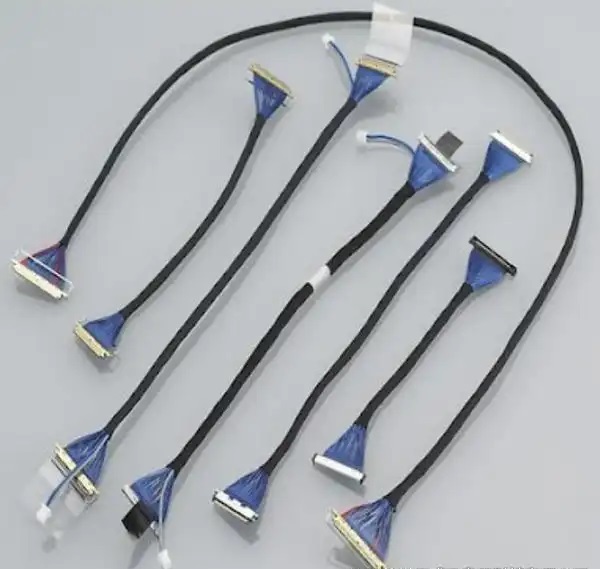
Micro coaxial cable plays an increasingly important role in high-precision electronic equipment, and the selection of matching connectors and the processing technology are becoming more and more critical. Although the cracking of the shielding layer is a "small problem," it may lead to "big hidden dangers" such as signal distortion and product failure. It is hoped that the analysis and suggestions in this article can provide reference and guidance for you in the development of the I-PEX 20634 series products.
We have been focusing on the design and customization of high-speed cable harnesses and extremely thin coaxial cable harnesses for a long time, committed to providing customers with stable and reliable high-speed interconnect solutions. If you have any related needs or want to learn more, please contact: xt manager.
18913228573 (WeChat same number).