


Categorization:Harness Component
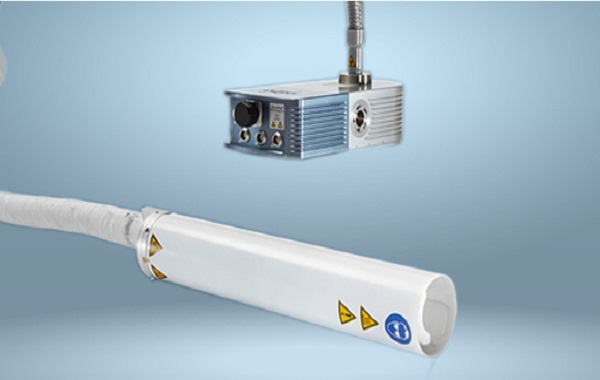
Why do we need non-magnetic materials?
The core of MRI lies in strong magnetic fields and precise radio frequency signals. The presence of magnetic impurities in the cables can lead to magnetic field distortion, local artifacts, and signal interference, severely affecting image quality. Especially in multi-channel receiving arrays, dense wiring increases the risk of crosstalk. Therefore, extremely thin coaxial cables must be designed non-magnetic in a thorough manner to ensure the complete transmission of radio frequency signals and the stable operation of the MRI system.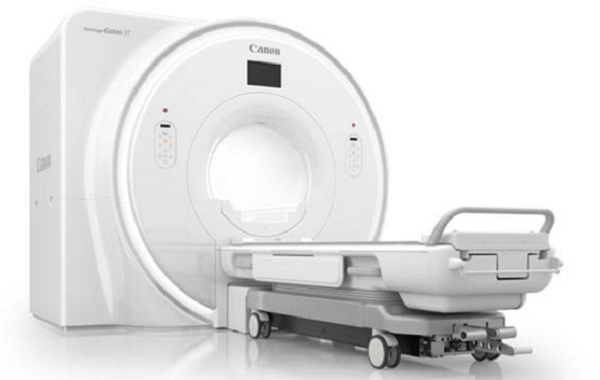
Common non-magnetic materials in ultra-fine coaxial cables
In the aspect of conductors, high-purity oxygen-free copper, beryllium copper, and aluminum alloys are commonly used choices, which ensure both conductive performance and avoid magnetic interference. The shielding and outer layer usually adopt non-magnetic silver-plated copper braided mesh, non-magnetic metal foil, as well as PTFE, PEEK, or polyimide as supporting materials, taking into account the shielding effect and structural stability. The insulation and dielectric layer use PTFE, polyimide, or foam materials to achieve low loss and impedance matching. Connectors and junctions strictly avoid ferromagnetic parts, using non-magnetic stainless steel, beryllium copper, or gold-plated, silver-plated materials to ensure long-term reliable connections.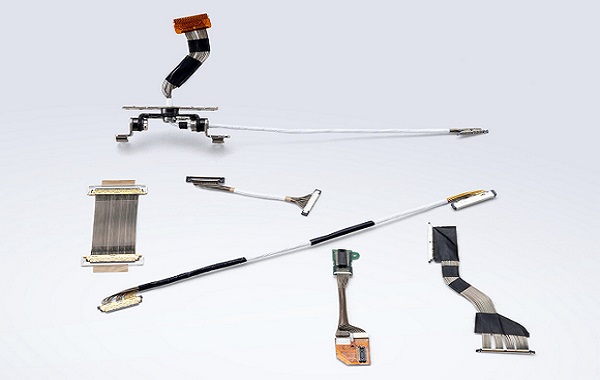
Challenges and Design Points in Applications
With the development of 3T, 7T and higher field strength MRI, the requirements for non-magnetic design are becoming more stringent. The dense cable layout requires reasonable arrangement to reduce crosstalk, while maintaining flexibility and shielding integrity to meet the bending requirements in the narrow space inside the probe. Some cutting-edge solutions attempt to digitize the analog signal at the probe end and transmit it through optical fibers to further reduce the interference caused by analog cables, achieving higher precision imaging.
“Without the consent or authorization of this site, no one shall reproduce, reprint, distribute, cite, change, broadcast or publish the content in whole or in part in any form, nor shall there be any other violation of the copyright of this site.