


Categorization:Harness Component
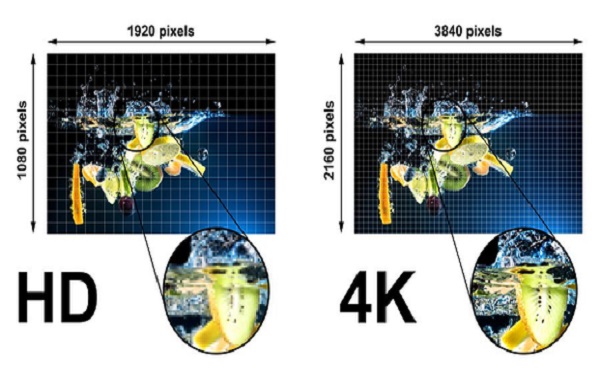
First, the reasons for EMI generation:
Liquid crystal display signals are usually transmitted through high-speed differential channels, and the extremely thin coaxial cable束 used between the motherboard and the screen is prone to be affected by factors such as cable coupling, bending, and impedance discontinuity in high-frequency and high-speed environments, as well as external electromagnetic fields. These factors work together to form EMI interference, which then affects the display quality. Understanding the sources of EMI is a prerequisite for scientifically designing cable structures and optimizing wiring layouts.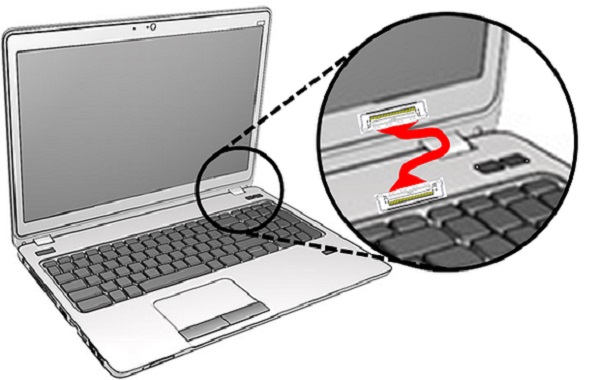
The advantages of ultra-fine coaxial beam
Micro coaxial cable has an independent shielding layer and precise impedance control, which can significantly reduce crosstalk and external interference. It is extremely thin in diameter, lightweight, and flexible, capable of adapting to the narrow space and frequent bending requirements of laptops. At the same time, it supports high bandwidth transmission, meeting the requirements of high refresh rates such as 120Hz or 144Hz. In addition, the thin coaxial cable bundle's lightweight characteristics match the design of modern laptops, balancing performance and slim, portable appearance, providing a stable and reliable signal transmission guarantee for high-resolution screens.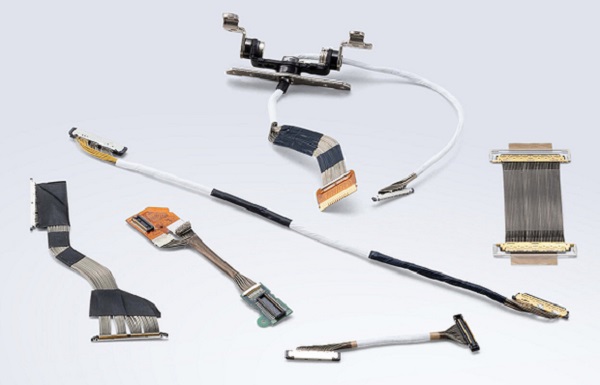
Three, Key means of EMI suppression
To improve the signal integrity of notebook LCD screens, optimization of the shielding layer, impedance control, reasonable wiring layout, and filtering grounding can be approached. Multi-layer or double braided shielding can enhance anti-interference ability; ensure impedance consistency during the production process to reduce signal reflection and distortion; reasonably plan the wiring path of the cable bundle to avoid parallel arrangement with high-power power lines; add filters at the interface and ensure low-impedance grounding to comprehensively reduce the impact of EMI on display quality.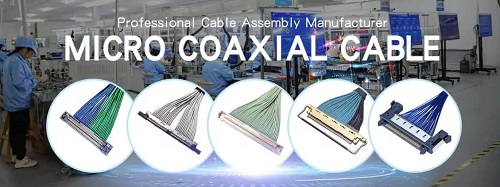
“Without the consent or authorization of this site, no one shall reproduce, reprint, distribute, cite, change, broadcast or publish the content in whole or in part in any form, nor shall there be any other violation of the copyright of this site.