


Categorization:Harness Component
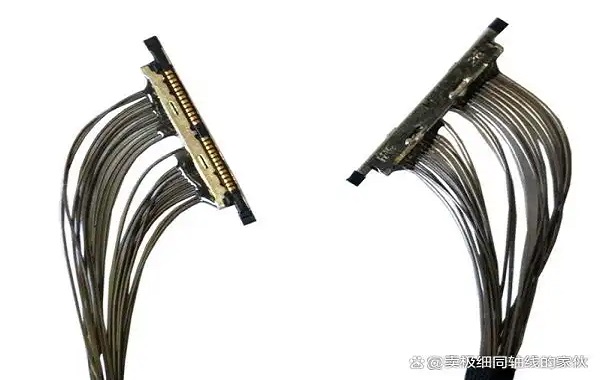
Part 1: Technical Features
DF56-50P-0.3SD belongs to the HRS DF56 series of 50-pin miniature components, with a pitch of only 0.3 mm, an rated current of about 0.5 A, and a voltage up to 50 V. The contact is gold-plated with a thickness of about 0.10 µm, and is installed using a tin-welded wire method, ensuring good contact and corrosion resistance. The design with a 1.25 mm mating height and a 2.6 mm depth is suitable for extremely small spaces, and the vertical mating method between the board and the wire enhances installation reliability, making it particularly suitable for space-sensitive applications such as smart glasses and folding hinges.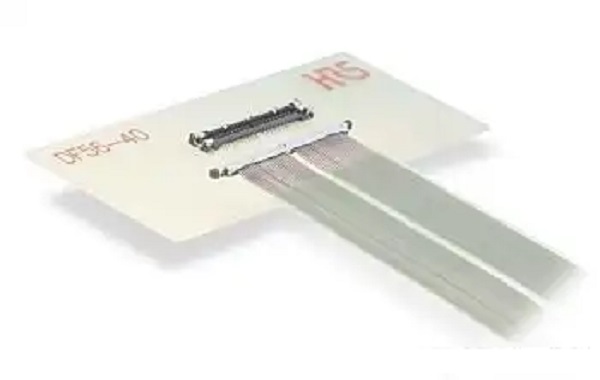
The reasons behind high quotations
The ultra-thin coaxial cable and DF56 series components are expensive, mainly due to various factors. Micro coaxial cables use AWG42-46 ultra-fine wire gauges, combined with multi-layer shielding and compact geometrical structures, which require extremely high manufacturing accuracy. Precision contact processing, reliable locking, and anti-vibration design increase costs. At the same time, high-frequency signal transmission requires strict impedance matching, shielding, and grounding design. Added to this are RoHS halogen-free certifications, high-temperature resistance, and supply chain limitations, which make the unit price significantly higher than that of ordinary cable components.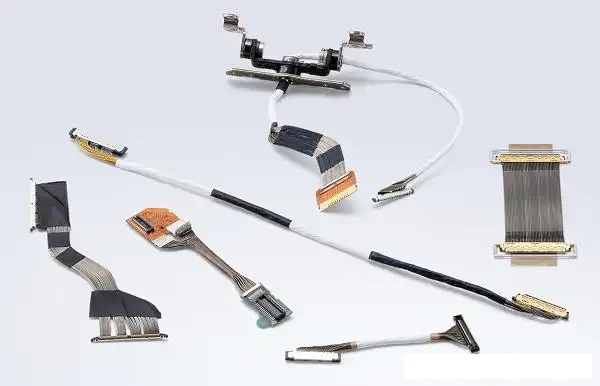
III. Technical Value of Ultra-Fine Coaxial Systems
The technical advantages of DF56-50P-0.3SD are reflected in ultra-fine spacing, high-precision board-to-board alignment, multi-point locking reliability, gold-plated contacts, high-frequency signal compatibility, and strict environmental standard compliance. It can meet the application requirements of space-limited, high-frequency, and high-vibration environments, providing stable, accurate, and durable miniature interconnection solutions for devices such as smart glasses, medical probes, and drone camera systems. It is an indispensable high-end component in ultra-fine coaxial systems.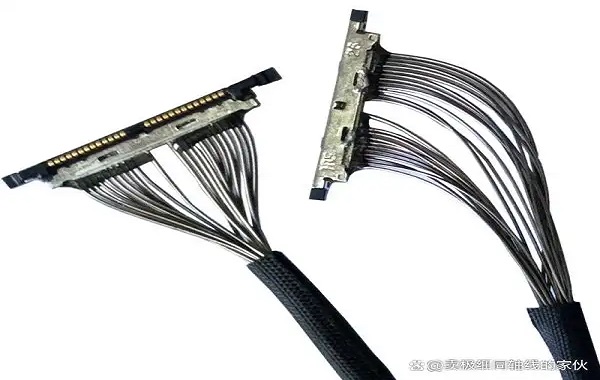
“Without the consent or authorization of this site, no one shall reproduce, reprint, distribute, cite, change, broadcast or publish the content in whole or in part in any form, nor shall there be any other violation of the copyright of this site.