


Categorization:Harness Component
With the development of embedded vision and intelligent image system, multi-camera applications are becoming more and more widespread. The performance of the image transmission chain directly affects the image quality and system stability. Extremely thin coaxial cables have become the key transmission medium for connecting camera modules, deserializers, and main control platforms, providing stable guarantees for high-speed image data.
This article takes the Jetson platform as an example to introduce the application and value of ultra-fine coaxial cable bundles.
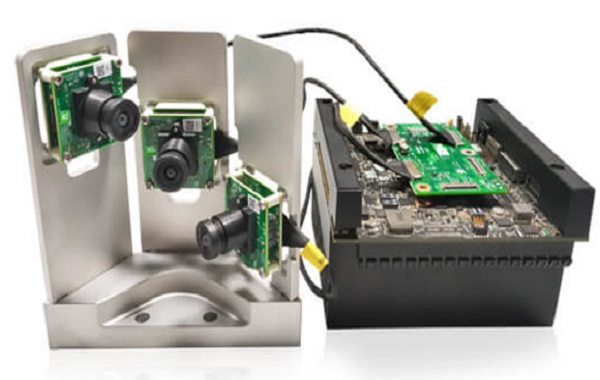
The importance of image link and ultra-fine coaxial cables
The image link of modern visual systems includes cameras, transmission cables, deserializers, Jetson main control platforms, and image processing. Cables are not only connectors but also the core of high bandwidth stable data transmission. The extremely thin coaxial cables have strong anti-interference capability, stable signals, and high flexibility, enabling multi-channel high-speed transmission in small spaces, providing reliable guarantees for the image system.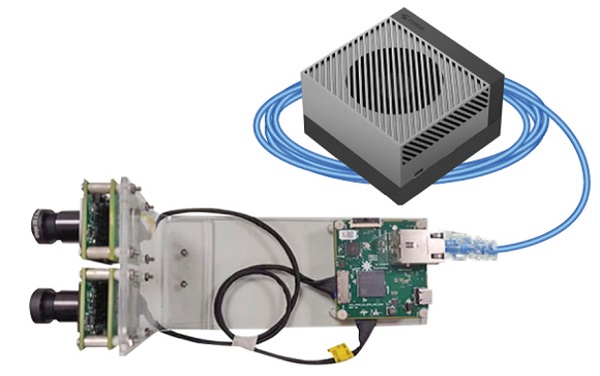
Application of Jetson Platform: From AGX Xavier to Orin NX
At the Jetson AGX Xavier stage, multi-camera synchronous acquisition has become popular, with image systems using GMSL or FPD-Link technology. A very thin coaxial cable bundle can simultaneously transmit image data, control signals, and power, simplifying wiring and reducing volume. With the launch of Jetson Orin NX, which supports higher resolution and frame rates, the advantages of the ultra-thin coaxial cable bundle are more pronounced: it provides high-speed stable support for 4K/8K signals; extends transmission distance to cover several meters to over ten meters; flexible cable material facilitates wiring; and supports PoC, enabling data and power transmission over the same cable, simplifying the system structure.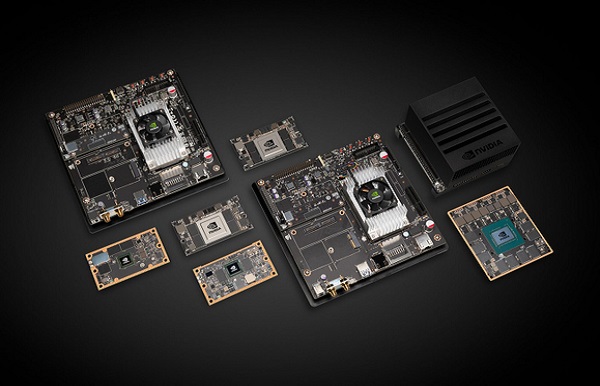
Three, key points for designing ultra-fine coaxial beam
The harness is small, but its importance should not be overlooked. The design needs to pay attention to impedance matching, shielding effect, length control, connection reliability, and system compatibility. These details directly affect the stability and service life of the imaging system.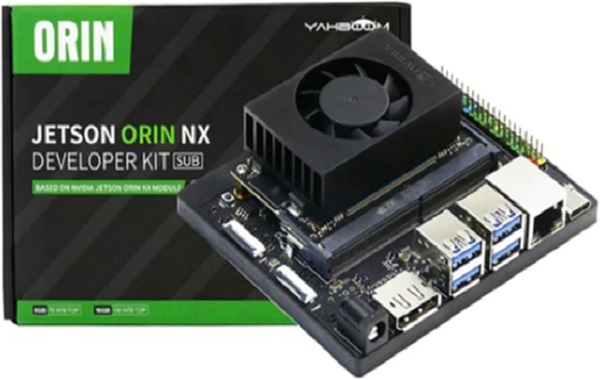
“Without the consent or authorization of this site, no one shall reproduce, reprint, distribute, cite, change, broadcast or publish the content in whole or in part in any form, nor shall there be any other violation of the copyright of this site.