


Categorization:Harness Component
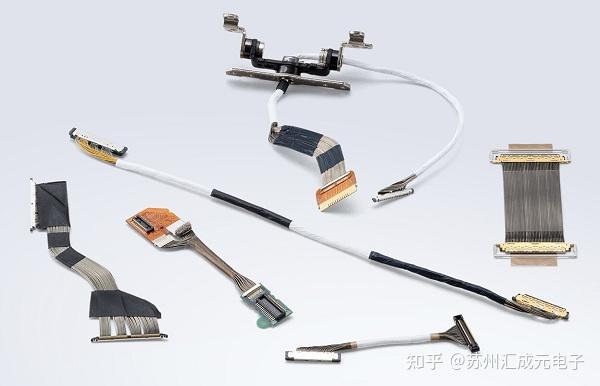
The positioning of the three transmission methods is completely different.
1. HDMI is the most commonly used interface standard for traditional display devices, aimed at TVs, projectors, monitors, and other equipment. It is characterized by maturity and strong compatibility, and is a commonly used solution for external device display.USB especially USB 3.x, USB4, and Thunderbolt is a universal high-speed transmission platform that can transmit video, data, power, and control signals simultaneously, and is the core interface form for interconnection of modern computing devices.
The ultra-fine coaxial cable (micro coax) is a physical transmission medium rather than a standard interface. It relies on precise impedance control, good anti-interference ability, and flexible structure, making it suitable for internal high-speed differential signal connections in camera modules, eDP screen lines, VR/AR devices, etc. It is an important solution for professional-level high-speed interconnects.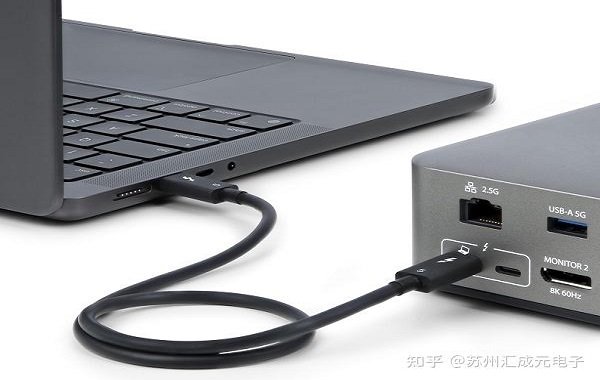
Bandwidth and Signal Integrity: The advantages of micro coax are often undervalued
From the perspective of protocol standards:
• HDMI 2.1 has a bandwidth of up to 48Gbps, supporting 8K high frame rate images.• USB4 / Thunderbolt up to 40Gbps, supporting mixed video and data transmission.
But the bandwidth capability of micro coax is equally strong. As a high-speed transmission medium, it can carry various high-speed differential signals such as MIPI, eDP, PCIe, and USB4. With the help of coaxial shielding structure and stable impedance consistency, it has lower loss, lower crosstalk, and higher signal integrity in short-distance transmission, making it the preferred choice for internal interconnection of many high-end devices.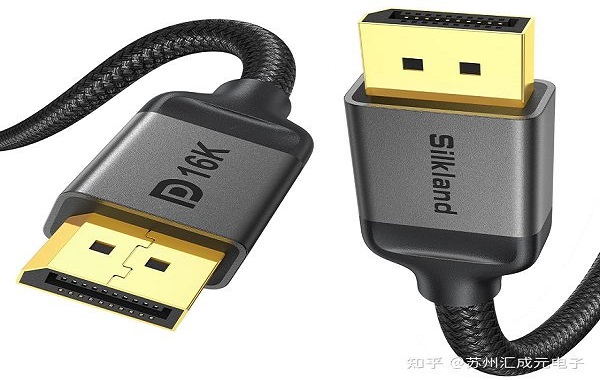
Section 3: Differences in Distance, Interference Resistance, and Practical Applications
HDMI and USB are more suitable for medium to long-distance transmission, generally stable at 1 to 3 meters. Beyond this distance, active cables or repeaters are usually required to enhance the signal.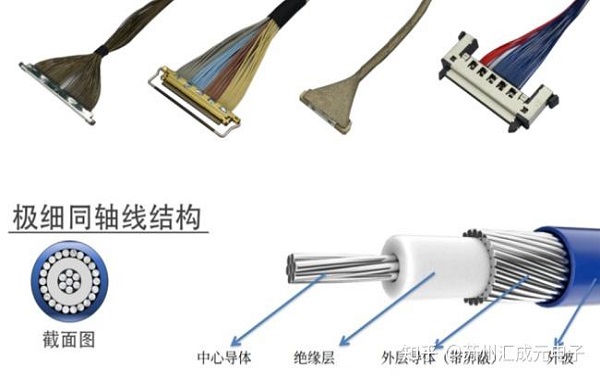
“Without the consent or authorization of this site, no one shall reproduce, reprint, distribute, cite, change, broadcast or publish the content in whole or in part in any form, nor shall there be any other violation of the copyright of this site.