


Categorization:Harness Component

I. High-speed transmission characteristics of CXP interface
CoaXPress is a coaxial transmission standard for high-speed industrial cameras, with core features including high bandwidth (up to 12.5 Gbps per channel), simultaneous video, control, and power (PoC) channels, as well as long-distance transmission and excellent anti-interference performance. As camera sizes shrink and interface integration improves, traditional thicker coaxial cables are limited in terms of wiring flexibility, bend radius, and weight, which promotes the application of finer and more flexible micro coaxial cable bundles in CXP's high-speed interconnects.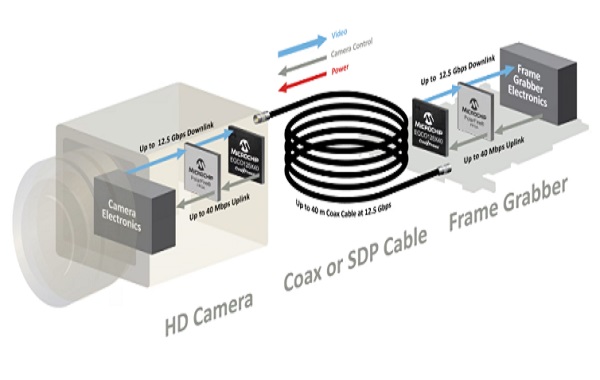
The structural characteristics and advantages of ultra-fine coaxial beam束
Fine coaxial cable bundles are usually composed of miniature coaxial cables with a 36~42 AWG gauge, featuring precise characteristic impedance control, a full shielding layer structure, and excellent flexibility. Thanks to these characteristics, it can effectively ensure the integrity of high-speed signals, reduce insertion loss, reflections, and EMI interference, and also meet the complex wiring needs in compact spaces. Multiple cables can be integrated into flat or round bundle structures, further enhancing the wiring density and system lightweight performance.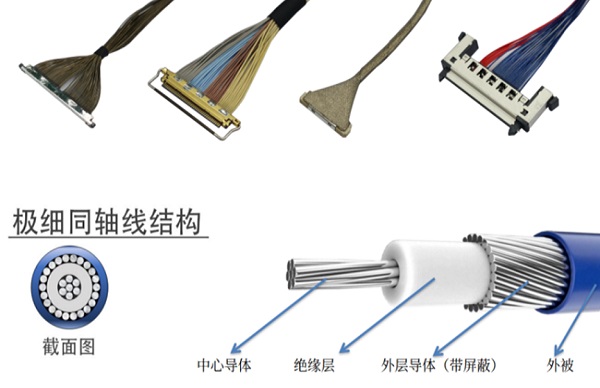
The application value and engineering points in the CXP system
In high-speed transmission scenarios, extremely thin coaxial cable bundles can significantly enhance the flexibility of system design, reduce wiring space occupation, and are particularly suitable for motion parts such as industrial cameras, robot joints, and sliding track mechanisms. In practical engineering, attention should be paid to issues such as impedance consistency, the impact of bending on insertion loss, suppression of crosstalk between multi-bundles, current and temperature rise management under PoC power supply, and the matching of cable length and signal rate, in order to ensure the long-term stable operation of the high-speed link.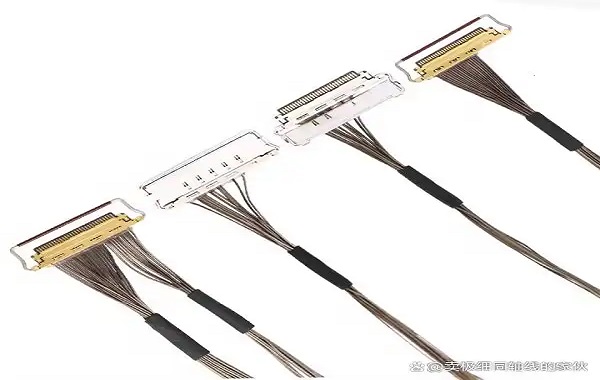
“Without the consent or authorization of this site, no one shall reproduce, reprint, distribute, cite, change, broadcast or publish the content in whole or in part in any form, nor shall there be any other violation of the copyright of this site.