In high-precision test measurement systems, the stability of signal transmission directly determines the reliability of test results. As a globally renowned test measurement brand, NI (National Instruments) not only has a profound accumulation in hardware platforms and software systems, but also its matching signal cables and harness components play a crucial role in anti-interference design, signal integrity, and system compatibility. Especially in complex industrial environments, scientific research laboratories, and automated test scenarios, NI signal cables have become an important part of the high-reliability test system construction for many engineers.

Part 1: Structural Characteristics and Anti-Interference Design Advantages of NI Signal Cables
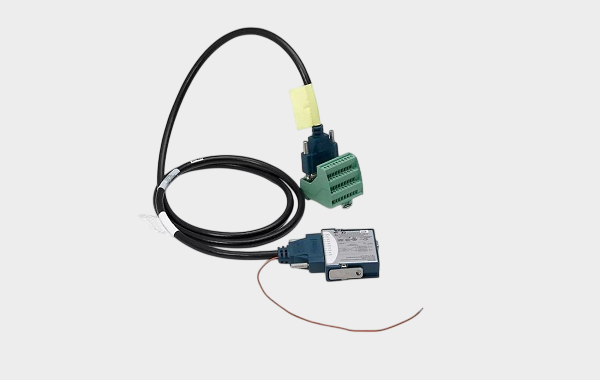
NI signal cables are widely used in PXI, CompactDAQ, CompactRIO and other test and measurement systems. Common forms include coaxial cables, shielded multi-core cables, sensor-specific harnesses, and high-speed data transmission cables. These cables are generally designed with multi-layer shielding structures, precise impedance control, and high-quality conductor materials, effectively suppressing external electromagnetic interference (EMI) and radio frequency interference (RFI).
In applications such as low-level analog signal acquisition, high-frequency signal analysis, and high-speed digital communication, NI signal cables reduce the risk of crosstalk and signal attenuation through a combination of twisted structure, overall shielding, and independent shielding, ensuring the stability of signals and the authenticity of test data from the source. This design philosophy, which is oriented towards system-level reliability, has earned it a high degree of industry recognition in the field of testing and measurement.
Two, selection and compatibility and alternative solutions reference and suggestions
When selecting NI signal cables, it is recommended to focus on interface types (such as BNC, D-Sub, VHDCI), signal types (analog, digital, or RF), working frequency range, and application environment. Different test modules have明显 differences in requirements for impedance matching and shielding levels, and improper selection may lead to signal distortion or noise amplification.
In terms of compatibility, NI's original signal cables have a natural advantage when used with their own equipment. However, with the continuous improvement of domestic cable manufacturing technology and material levels, some domestic signal cables have already achieved good compatibility in terms of structural design, shielding performance, and interface specifications, making them suitable for projects that are cost-sensitive or have high delivery cycle requirements. For critical test systems, it is recommended to conduct verification tests before actual deployment to ensure that the domestic alternative solutions meet the usage requirements in terms of anti-interference ability, durability, and system stability.
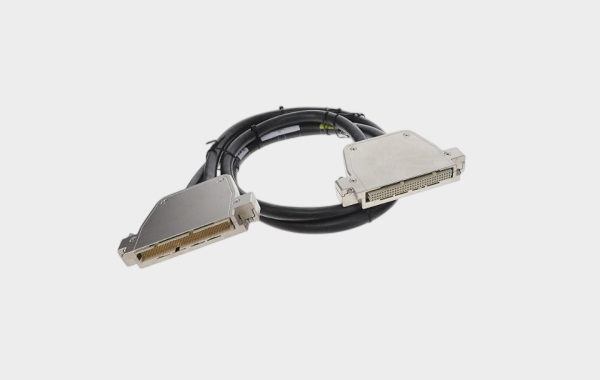
The NI signal cable is renowned in the field of testing and measurement for its stable electrical performance, mature anti-interference design, and good system matching capabilities, making it an indispensable part of high-reliability testing systems. With the continuous advancement of the domestic substitution trend, introducing high-quality domestic alternatives under the premise of ensuring technical specifications and application safety will help optimize the system cost structure and enhance supply chain flexibility, providing more feasible options for the testing and measurement industry.
We have been focusing on the research and development of domestic alternatives for NI brand signal cables and related connectors for a long time. If you are interested in the domesticization solutions for NI signal cables or have related product selection and procurement needs, please contact: Manager Zhang
18665383950, same as WeChat numberLooking forward to in-depth communication and cooperation with you and industry partners.