


Categorization:Product Information
With the continuous improvement of transmission speed of electronic devices, camera modules, display devices, industrial vision systems, and various compact electronic products have higher requirements for internal high-speed signal connections. To ensure the quality of signal transmission, engineers tend to choose higher transmission specifications, more complex shielding structures, and higher-grade connectors when selecting internal wiring harnesses. However, higher specifications do not necessarily mean a more reasonable solution. If the actual signal requirements do not reach the corresponding level, over-pursuit of performance indicators may反而 increase product cost, structural complexity, and assembly difficulty. Therefore, what truly needs to be considered in the design of high-speed wiring harnesses is not blind pursuit of the highest specifications, but to find a reasonable balance between performance, space, and cost.
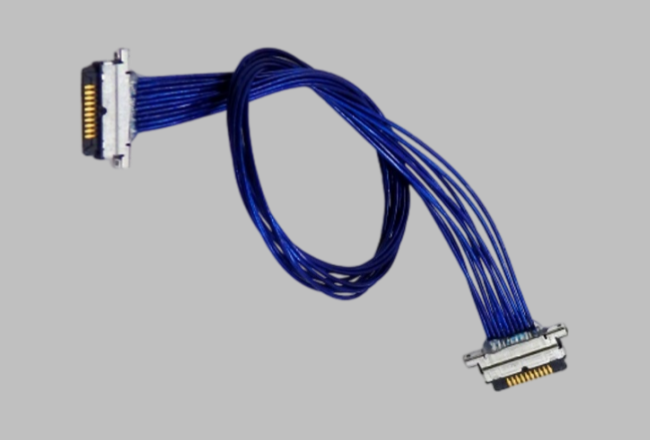
What situations may constitute overdesign of high-speed harnesses?
In actual product development, overdesign of high-speed harnesses is mainly reflected in several aspects. For example, even though the actual transmission rate is not high, cable specifications far exceeding current needs are chosen; internal wiring distances are short, yet unnecessary complex structures are adopted; shielding levels are blindly increased without fully assessing the electromagnetic interference environment; or larger, more expensive connector components are selected, leading to greater tension in limited internal space. In addition, some designs only focus on the performance of the cable itself, ignoring the matching of connectors, PCB routing, and the overall transmission chain. In fact, the performance of high-speed signal transmission depends on the entire connection channel, and simply improving the specification of a single component does not necessarily bring corresponding system performance improvement.
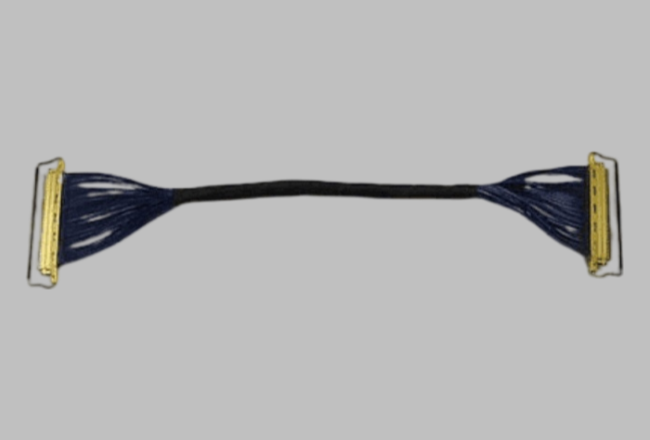
High-speed harnesses should focus on evaluating the following indicators:
To determine whether a high-speed harness is overdesigned, it is first necessary to clarify the actual application transmission protocol, single-channel data rate, signal bandwidth, and transmission distance. On this basis, the focus is on evaluating indicators such as insertion loss, return loss, characteristic impedance, crosstalk, and signal delay and channel skew. At the same time, it is also necessary to consider the harness's outer diameter, shielding structure, bending radius, connector matching, and the actual installation environment. For extremely thin coaxial harnesses, conductor size, insulating material, shielding structure, and termination technology will all affect overall performance. Through applicable testing and verification means such as TDR, VNA, and eye diagrams, it is possible to make a more objective judgment on whether the harness meets the system requirements, rather than solely deciding on selection based on product specification parameters.
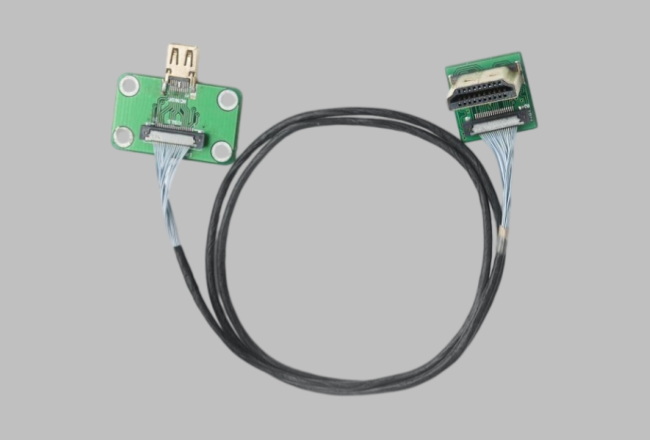
Extremely thin coaxial cables make high-speed connection designs more flexible.
For electronic devices with limited internal space and high requirements for signal transmission, extremely thin coaxial cable bundles are a worthy connection option to consider. Their multi-channel independent shielding structure helps to reduce mutual interference between signals and can achieve high-density wiring in limited space, making them suitable for camera modules, MIPI signal connections, display modules, and other high-speed digital signal applications. In actual design, it is reasonable to choose AWG wire specifications, cable structures, and connector combinations based on transmission speed, cable bundle length, connector type, channel count, and installation space, rather than blindly pursuing higher-level configurations. Through targeted cable bundle structure design and sample verification, it is possible to meet signal integrity requirements while also considering lightweighting, miniaturization, and cost control.
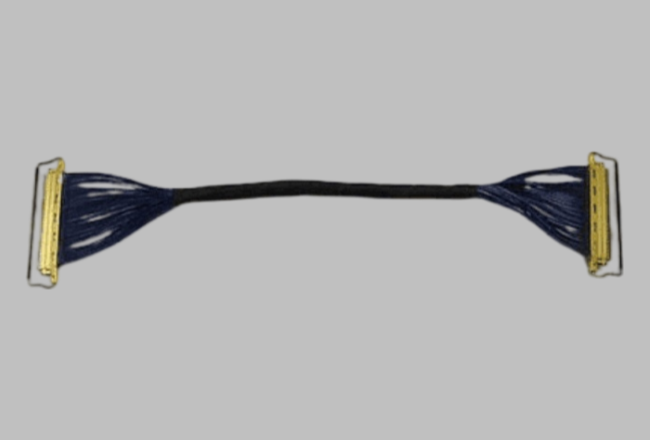
Start from meeting the needs and optimize the design of high-speed harnesses
High-speed harness design should not be a competition of specification parameters, but rather a systematic engineering project centered around actual application needs. For product developers and procurement personnel, it is necessary to avoid signal risks caused by insufficient harness performance, while also preventing unnecessary high-specification configurations from increasing overall manufacturing costs. As a producer and solution provider for ultra-thin coaxial harness components, we can provide services such as harness selection, structural design, sample production, and customized processing based on the customer's equipment structure, signal requirements, connector models, and actual wiring conditions. We assist customers in optimizing high-speed signal connection solutions, ensuring that each performance configuration has practical application value.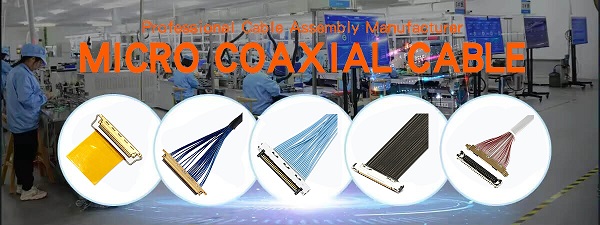
High-speed cable harness is not the better the specifications, the truly reasonable design is to choose appropriate cables, connectors, and shielding structures according to actual transmission requirements, and achieve a balance between signal integrity, installation space, reliability, and cost. By scientifically selecting and verifying actual tests, overdesign can be avoided, so that ultra-thin coaxial cable harnesses can play a more appropriate connection value in high-speed, miniaturized electronic equipment.
“Without the consent or authorization of this site, no one shall reproduce, reprint, distribute, cite, change, broadcast or publish the content in whole or in part in any form, nor shall there be any other violation of the copyright of this site.