


Categorization:Harness Component
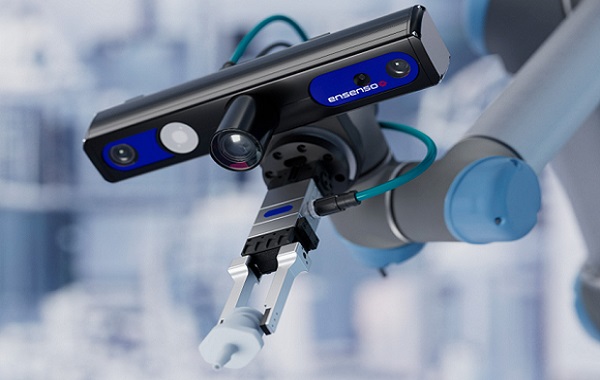
One, the high-speed transmission advantages of ultra-fine coaxial beam
Extremely fine coaxial cables are known for their small diameter, high flexibility, and excellent shielding performance. Compared to ordinary cables, they can more effectively reduce electromagnetic interference in high-speed interfaces such as USB3.0 and GigE, maintaining signal stability. The multi-layer shielding structure can block external noise, even in strong interference environments such as motors and servo drives, providing a cleaner signal path for cameras.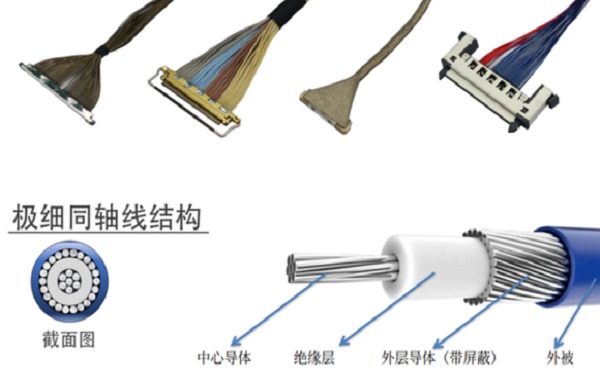
II. Signal Integrity Enhancement Brought by Impedance Control
High-speed transmission requires extremely high impedance consistency; any mismatch may cause reflections and distortions, affecting the accuracy of 3D point clouds. Extremely thin coaxial cables can stably maintain the target impedance, making the link more in line with high-speed interface specifications. Combined with reasonable shielding and grounding structures, the entire cable assembly can still maintain a low error rate under high-speed conditions, ensuring the continuity and accuracy of data transmission.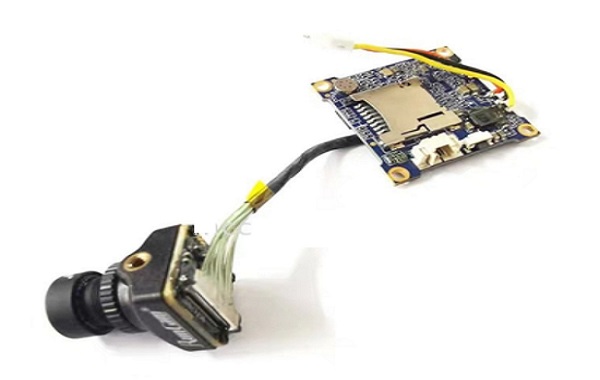
3. Adapt to robots and complex motion scenes
In applications with frequent movement of mechanical arms, slides, etc., the cable needs to maintain reliable transmission in continuous bending. The flexible structure of extremely thin coaxial cables can meet this dynamic environment, and its lightweight design allows for more flexible wiring without adding extra load. By optimizing cable length, layout, and differential structure, the stability of the system and the overall imaging performance can be further improved.
“Without the consent or authorization of this site, no one shall reproduce, reprint, distribute, cite, change, broadcast or publish the content in whole or in part in any form, nor shall there be any other violation of the copyright of this site.