


Categorization:Harness Component
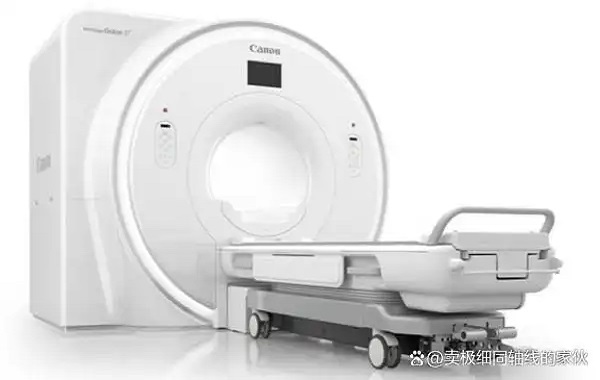
A leap from analog to digital
Early medical imaging equipment such as X-rays, CT, and ultrasound largely relied on analog signal transmission, which was limited by clarity, speed, and storage capacity. The emergence of digital technology has improved image resolution, accelerated storage and retrieval efficiency, and provided doctors with precise data support. Modern digital imaging has higher requirements for transmission speed and signal integrity, which provides a vast space for the application of extremely thin coaxial beam arrays.
Advantages and Applications of Ultra-Fine Coaxial Beam
Extremely thin coaxial cable bundles have a diameter less than 1 millimeter, but they have the standard coaxial structure and shielding layer to ensure stable signal transmission. Their advantages in medical imaging equipment include high signal clarity, strong flexibility, and fast transmission capabilities. Whether it's CT detectors, ultrasound probes, or complex devices like endoscopes, micro coax can achieve reliable wiring in confined spaces, ensuring that image data is delivered in real-time and without loss.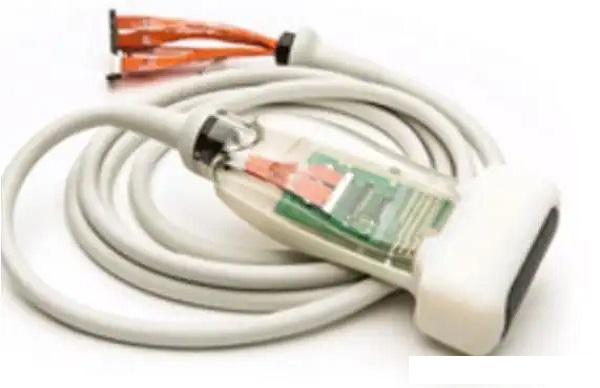
The combination of standardization and systematization
Efficient transmission of medical images not only depends on hardware but also requires standards and system support. The DICOM standard enables intercommunication of image data between different devices, while the PACS system achieves networked storage and rapid retrieval. The combination of extremely thin coaxial bundles with standardized systems makes medical image transmission more efficient and reliable, providing a technical foundation for remote diagnosis and intelligent analysis.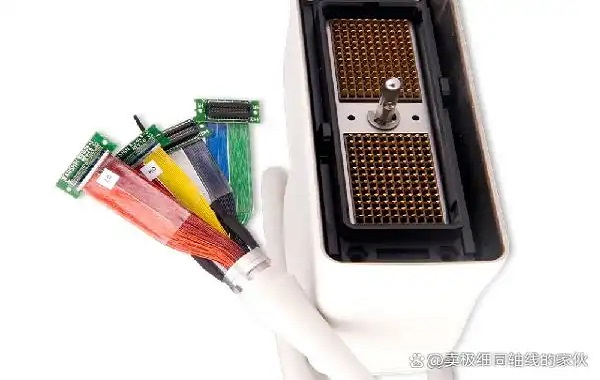
“Without the consent or authorization of this site, no one shall reproduce, reprint, distribute, cite, change, broadcast or publish the content in whole or in part in any form, nor shall there be any other violation of the copyright of this site.