


Categorization:Harness Component
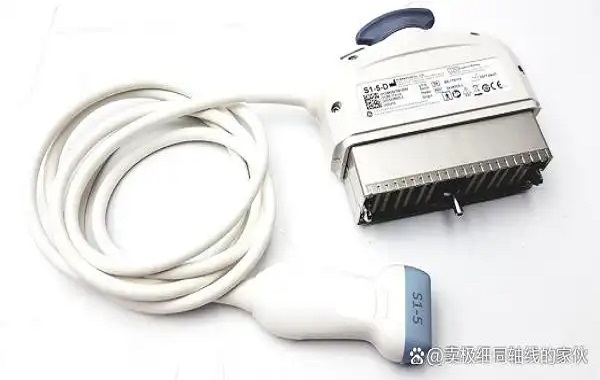
High-definition imaging depends on stable transmission
Medical imaging systems have extremely high requirements for signal integrity; any minor loss will affect the accuracy of diagnosis. The ultra-thin coaxial cable束 utilizes a precise structure with a central conductor, insulation layer, and shielding layer to achieve stable impedance and low insertion loss, allowing high-speed, large-volume image signals to be transmitted to the host processing end with lower attenuation. Whether it is ultrasonic scanning or endoscopic imaging, clear details and lower latency image effects can be obtained.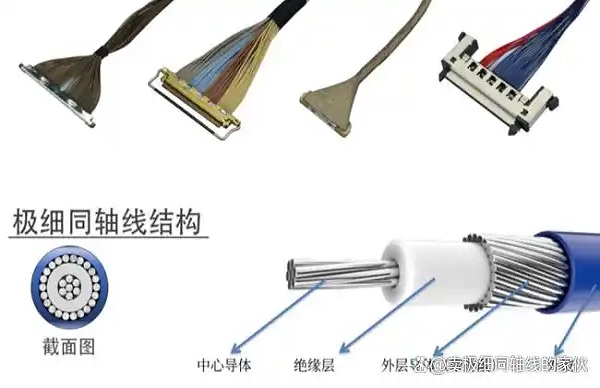
Strong anti-interference capability ensures the safety of medical operations
Medical equipment often operates in complex electromagnetic environments, especially in diagnostic and treatment spaces where multiple devices work in parallel. Extremely thin coaxial cable bundles have excellent shielding performance, which can greatly enhance the signal's anti-interference ability, reduce cross-talk and leakage risks, thereby maintaining image stability and improving the reliability of diagnosis and treatment. This characteristic is particularly crucial in high-resolution ultrasound imaging and real-time surgical navigation.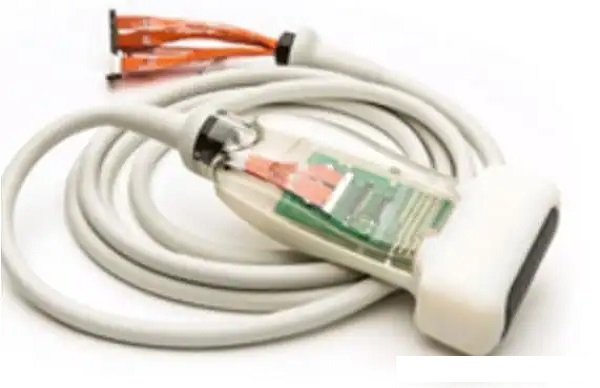
Three, high flexibility structure adapts to various medical scenarios
The internal structure of medical equipment is compact and frequently bent, which requires extremely high flexibility and durability of the cables. The extremely thin coaxial cables have high flexibility and bend resistance, enabling stable connections in catheters, endoscopes, wearable, or minimally invasive surgical devices. They maintain excellent electrical performance in narrow spaces, while also supporting equipment lightweighting and higher integration, providing strong support for modern medical technology.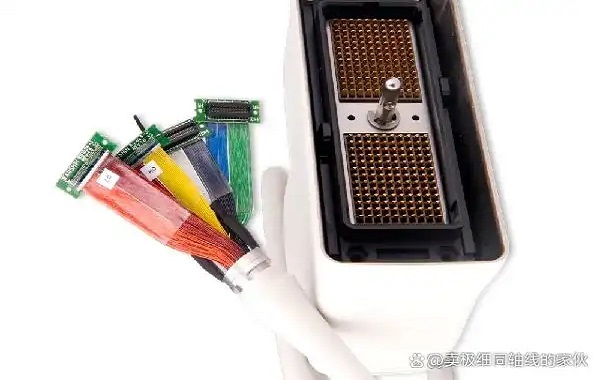
“Without the consent or authorization of this site, no one shall reproduce, reprint, distribute, cite, change, broadcast or publish the content in whole or in part in any form, nor shall there be any other violation of the copyright of this site.