In modern medical imaging equipment, such as ultrasonic probes, endoscopes, and high-resolution imaging modules, high-speed signal transmission is the core of ensuring image clarity and real-time processing. With the increase in resolution and the requirement for real-time performance, the internal signal channels of the probes must have high bandwidth, low loss, and excellent anti-interference performance. How to achieve reliable high-speed transmission in limited space has become a key challenge in the design of medical equipment.
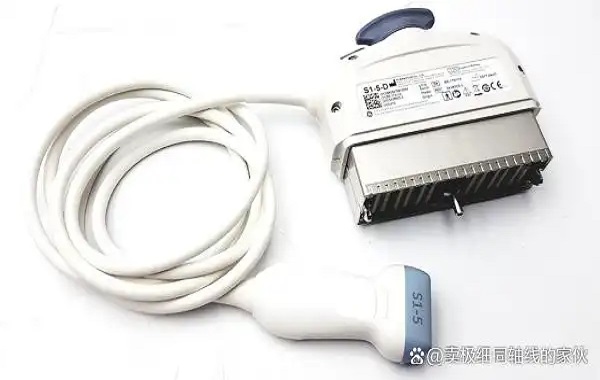
One, the challenges faced by medical probe signal transmission
The medical probe is compact in size, but it needs to accommodate imaging elements, driving circuits, and signal cable bundles internally, making space limitation one of the design challenges. High-speed signals are prone to crosstalk, reflections, and attenuation, and if the transmission path is unstable, it will directly lead to increased image noise or reduced resolution. In addition, the sources of electromagnetic interference in the medical environment are complex, and the cable bundles inside the probe must have excellent shielding performance to ensure that the signals are not disturbed. At the same time, the probe is frequently bent during use, and the cable bundles need to be both soft and durable to maintain long-term transmission stability.
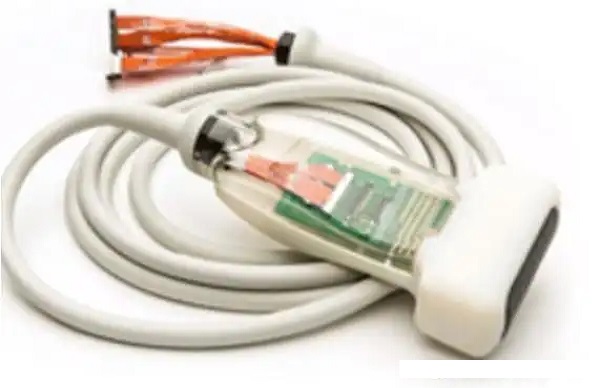
The advantages of extremely fine coaxial beam
Micro coaxial cable (极细同轴线束) demonstrates obvious advantages in the application for medical probes:
Miniaturized design: Diameter can be as small as 0.3mm, achieving high-density wiring and adapting to limited space.
• High bandwidth support: The coaxial structure ensures impedance control and signal integrity, supporting high-speed transmission of several Gbps.
• Excellent shielding performance: The metal shielding layer effectively reduces external electromagnetic interference, ensuring stable image transmission.
• Flexibility and durability: meet the repeated bending requirements of the probe and extend the service life of the equipment.
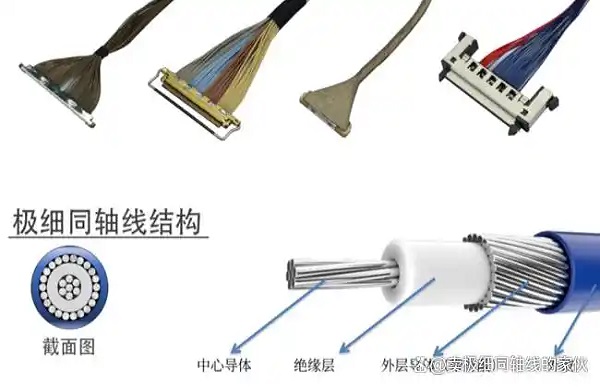
Solution and Development Direction
In the design of medical probe, in addition to selecting high-performance ultra-fine coaxial cable bundles, it is also necessary to focus on the following key designs:
• Reasonable wiring, avoid too small bending radius, ensure signal integrity;
Precise impedance matching, reducing reflection and signal loss.
Multilevel shielding design, enhancing the system's anti-interference ability.
Automatic assembly technology ensures consistency and reliability.
In the future, with the development of medical imaging technology, extremely thin coaxial beam bundles will play an important role in higher resolution and miniaturized probes, achieving clear, real-time, and low-latency medical image transmission.
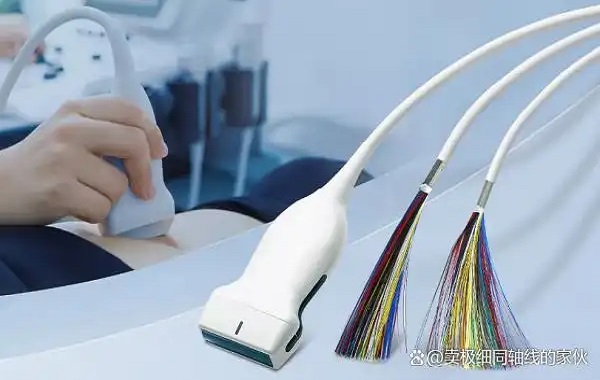
The stable transmission of high-speed signals in medical probes is a key factor in the performance of medical imaging equipment. The ultra-fine coaxial cable束, with its advantages of miniaturization, high speed, and high reliability, has become an indispensable core component in the design of medical equipment, providing a solid guarantee for clear, real-time, and low-latency medical image transmission.
I am
Suzhou Huichengyuan Electronic Technology,Long-term focus on the design and customization of high-speed cable harnesses and ultra-fine coaxial cable harnesses, committed to providing customers with stable and reliable high-speed interconnection solutions. For customization or more information, please contact
Manager Zhang: 18913228573 (same number as WeChat)。