


Categorization:Harness Component
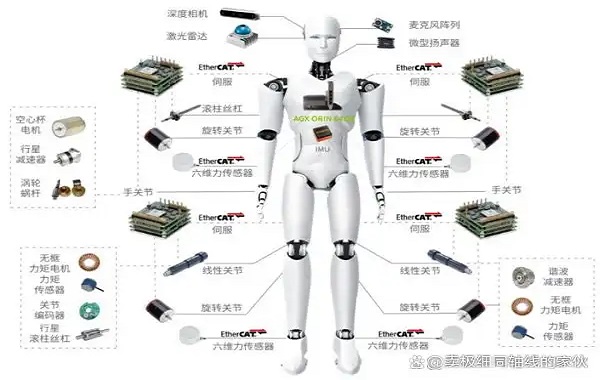
The core requirements for the robot communication interface to the harness
Robots need to achieve control, feedback, and data interaction through various communication interfaces during operation, such as the CAN bus and EtherCAT commonly used in industrial scenarios for multi-axis synchronous control and real-time communication; in the visual and human-machine interaction module, USB, HDMI, and high-speed LVDS interfaces are responsible for image and high-speed data transmission tasks. These interfaces require higher consistency in impedance, shielding performance, and anti-interference ability under high-speed and high-frequency operation conditions, and any transmission instability may affect the accuracy of the robot's movement and the system's response.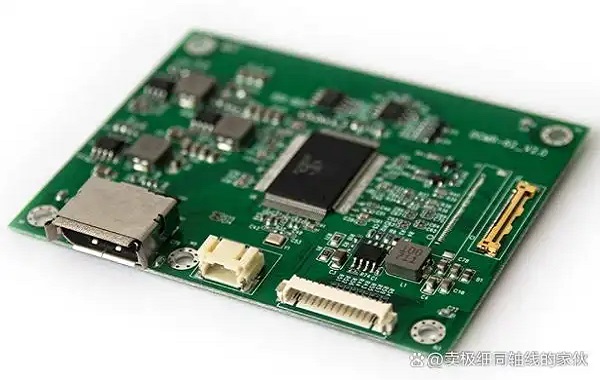
Advantages of ultra-fine coaxial fiber bundles in robot system applications
Extremely fine coaxial cable束 is very suitable for the complex and compact wiring environment inside robots due to its small outer diameter, high flexibility, and low transmission loss. In robot cameras and vision modules, it can ensure the stable transmission of high-definition video signals; in motion control and high-frequency sensor connections, it helps maintain the accuracy and consistency of the signals; in scenarios such as medical robots that have very high requirements for miniaturization and reliability, extremely fine coaxial cable束 can provide a stable high-speed signal channel within limited space, achieving a balance between performance and structure.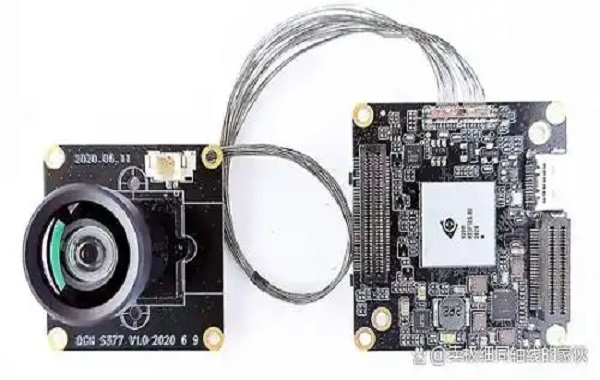
Robot cable standardization development trend
As the scale of robot applications continues to expand, the standardization of cables and interfaces has gradually become an industry consensus. By unifying the interface form and electrical characteristics, module compatibility can be improved, and assembly and maintenance costs can be reduced; by meeting strict electromagnetic compatibility requirements, the interference of high-speed signals to the control system can be reduced; by systematic bending and lifespan testing, the reliability of the cables under long-term high-frequency motion environments can be ensured. In this process, the standardized design of ultra-thin coaxial cables has provided important support for robots to achieve miniaturization, high performance, and high reliability.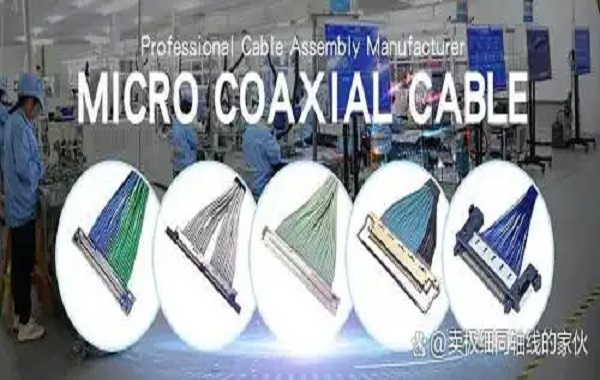
“Without the consent or authorization of this site, no one shall reproduce, reprint, distribute, cite, change, broadcast or publish the content in whole or in part in any form, nor shall there be any other violation of the copyright of this site.