


Categorization:Harness Component
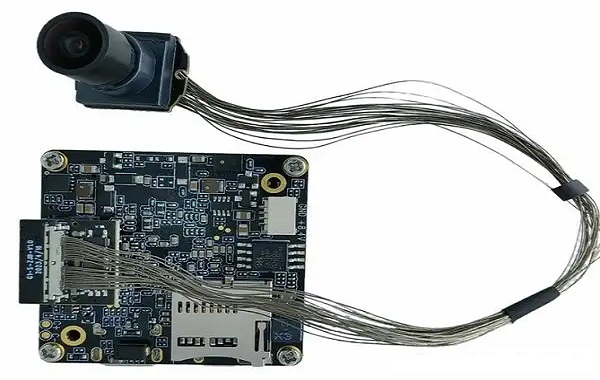
One, the limitations and challenges of FPC
FPC is thin and flexible, but it has obvious shortcomings in high-speed, multi-GHz signal environments: unstable characteristic impedance leads to increased reflection, crosstalk, and insertion loss; lack of shielding structure limits its anti-interference ability; multi-layer design and limited routing space make it difficult to meet complex AI module layout; in frequently moving or rotating structures, its reliability and bend resistance may be insufficient. These factors make FPC gradually show its limitations in high-speed differential signal transmission and anti-interference design.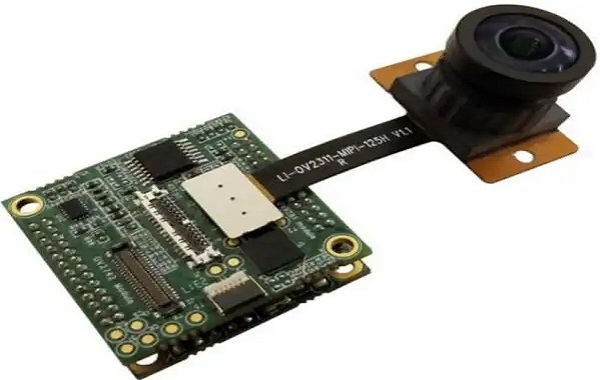
Technical Advantages of Extremely Fine Coaxial Beam
The ultra-fine coaxial cable bundle uses a coaxial structure, with the inner conductor, insulating layer, shielding layer, and outer sheath working together to ensure stable signal transmission and stable impedance characteristics, easily supporting data rates of up to 5Gbps, 10Gbps, or higher. Its full shielding design effectively suppresses EMI and reduces crosstalk; the flexible cable diameter is small and can flexibly bypass components, making it very suitable for internal wiring of space-compact AI modules. Compared to FPC, micro-coaxial cables perform better in long-distance transmission, insertion and extraction life, vibration, and temperature changes, with higher reliability.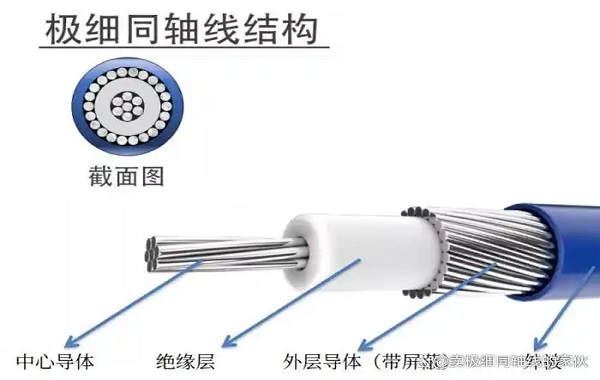
The reasons for the early adoption of AI equipment and design considerations
The internal high-speed modules of AI systems are numerous, including image sensors, AI chips, display interfaces, and communication units, with frequent data interaction and extremely high requirements for signal integrity. The extremely fine coaxial cables perform excellently in image links, high-speed buses, and high electromagnetic noise environments, while also supporting compact structures and modular designs. In engineering, factors such as processing costs, plug-in height, bending radius, fatigue life, and mixed cable layout still need to be considered. The optimal solution is often to use extremely fine coaxial cables for key high-speed channels and retain FPC for low-speed or short-distance channels, thereby balancing performance and cost.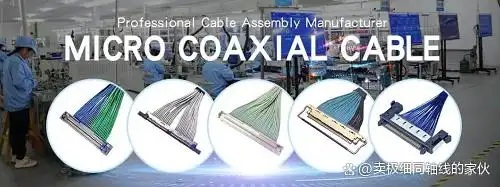
“Without the consent or authorization of this site, no one shall reproduce, reprint, distribute, cite, change, broadcast or publish the content in whole or in part in any form, nor shall there be any other violation of the copyright of this site.