


2026-09-20
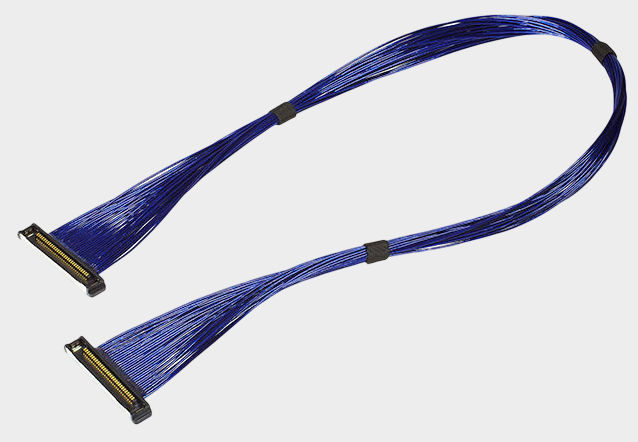
I-PEX 82443-100B-02-D belongs to the CABLINE®-SS series 35Pin ultra-thin coaxial cable assembly, using Micro-Coaxial 40AWG wire, standard length of 200mm, and Pin Assignment of 1
2026-09-20
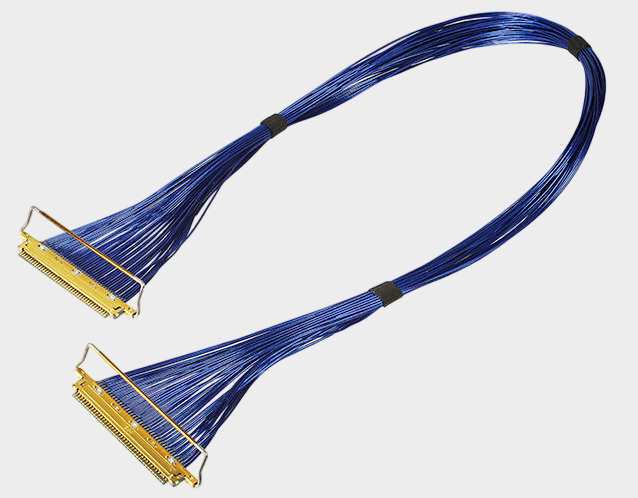
I-PEX CABLINE®-SS for example, this series offers specifications such as 10, 14, 20, 30, 32, 35, 40, 50Pin, all using a unified 0.4mm Contact Pitch, and belongs to Vertical Right Angle
2026-09-20
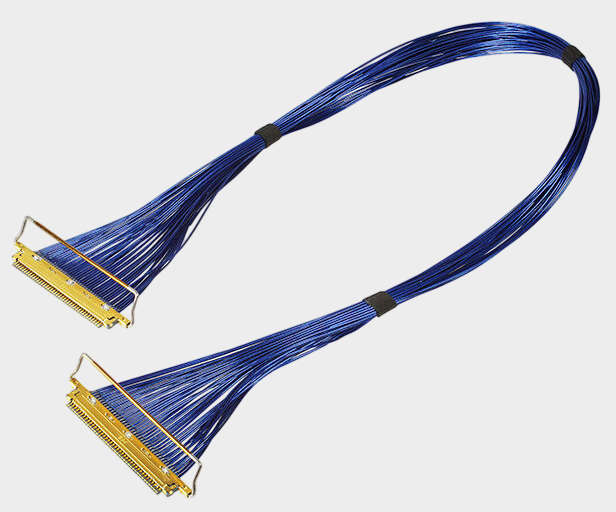
I-PEX CABLINE®-SS 83021-100B-01-D is a 32Pin ultra-thin coaxial cable assembly, with a finished length of 300mm, using Micro-Coaxial Cable AWG#40, and wire sequence 1-1. Its cable end enables
2026-09-20
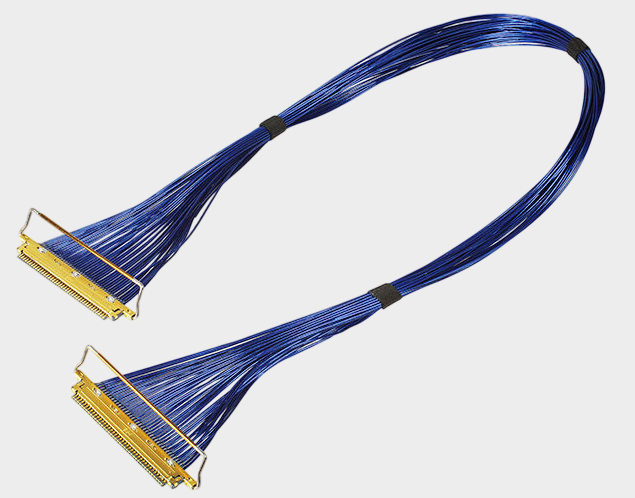
The I-PEX CABLINE®-SS series offers specifications such as 10, 14, 20, 30, 32, 35, 40, 50Pin, using a 0.4mm Pitch, Vertical Right Angle structure, suitable for high-density internal connections.
2026-09-20
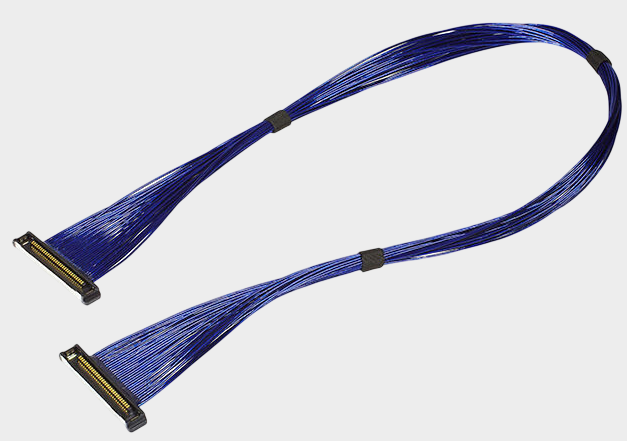
I-PEX 83019-100B-01-D, this cable belongs to the CABLINE®-SS series, using a 32PIN, 0.4mm Pitch, Micro-Coaxial AWG#40, 100mm, 1-1 configuration, cable
2026-09-20
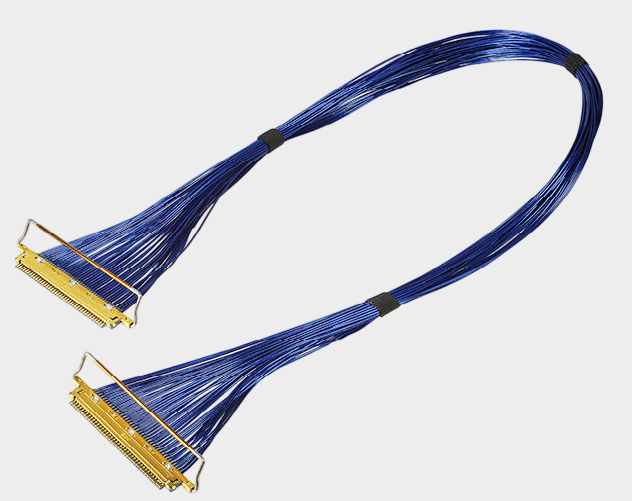
I-PEX CABLINE®-SS has a terminal spacing of 0.4mm, supports 32Pin specifications, adopts vertical right-angle insertion and extraction, and horizontal wiring structure. The official documentation also...
2026-09-19
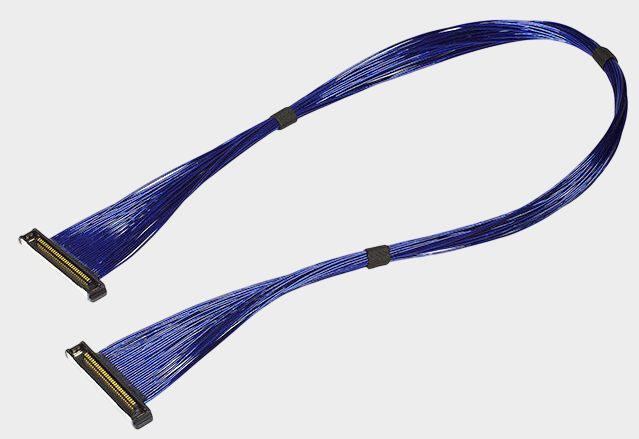
I-PEX 82442-100B-02-D uses a 32Pin, 40AWG Micro-Coaxial Cable, 200MM in length, and 1-N wire sequence, and is matched with the 20373-R32T-06 connector, reflecting the ultra-fine coaxial cable bundle i...
2026-09-19
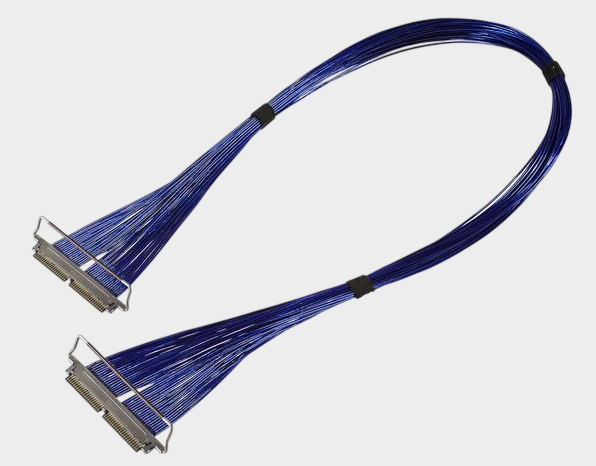
I-PEX 82887-100B-02-D is a 32Pin, 100mm length, 1-N sequence Micro-Coaxial Cable Harness. The drawings use AWG#40, ultra-thin 50Ω coaxial wire, and the connector model matched with the cable end is 2.
2026-09-19
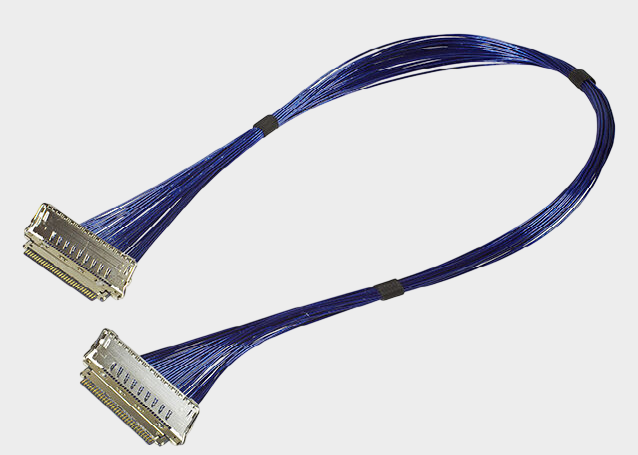
I-PEX 83018-100B-01-D is a CABLINE®-SS 30P ultra-fine coaxial cable assembly, with the connector at the cable end model number 20373-R30T-06, and the connector is 30PIN with 0.4MM pitch.
2026-09-19
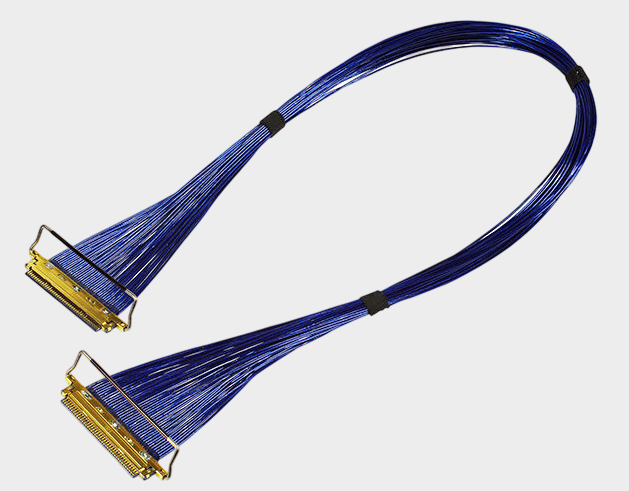
I-PEX 83017-100B-01-D is a CABLINE®-SS series 30P ultra-fine coaxial cable assembly, adopting a Micro-Coaxial Cable structure, with a wire gauge of AWG#40, and a cable assembly length of 200mm.